
Late autumn flowers in the butterfly garden

May 2026

As I said in my last post, the late-May day is short enough now that I am not often able to be around when it is warm and sunny enough for butterfly activity. Working cramps a lady's need to watch butterflies all day and the weather has been uncooperative on the weekends.
There are a few honeybees, hoverflies and bumblebees around too. They seem to be active at lower temperatures than butterflies and I have a better idea what they are feeding from. The nectar feeding birds, whilst never absent from the garden, are definitely spending more time in the planted garden areas, making the most of all food sources available to them.
Globe buddleia cross
The mainstay of May nectar feeding - the globe buddleia cross Buddleja × weyeriana. This is still what the monarchs are heading for, the bees have also been all over this and I have even see a tui feeding from it. It has filled a hole in the nectar calendar as the winter flowering plants ramp up and the late summer flowers disappear. I do recommend having one in a butterfly garden, although they are susceptible to buddleia weevil, which was introduced in New Zealand to annoy gardeners, sorry, to remove invasive buddleia. Green caterpillars have also had a chomp on mine. If you see holes in the leaves, investigate early and get squishing - you don't want to use insecticide on this key nectar plant. These grow easily from cuttings.

Tropical Milkweed
It really is going to take some cold weather to stop these from flowering and the ones in the sunniest spots in the garden have been feeding monarchs throughout May. The word 'weed' is not a mistake and through May there have been seedlings springing up around the mature plants. I have spaced them out to create future swathes of long-lasting nectar. I have also potted a lot to feed monarch caterpillars in captivity next season.

Salvias
I am throwing this in as the bees and the silvereyes / tauhou have been feeding from the salvias in the garden in May. The Waverley salvias, the dark purple autumn sage and the Mexican bush sage all still have some flowers on them, although not as numerous as through summer, and are providing useful nectar.

What else is flowering?
The tree dahlias have been flowering for a while now, bringing colour and nectar to the sunny corner of the garden.
There were only a few flowers on the Tagetes lemmonii (Mexican marigold) at the start of the month, but by the end it was covered in bright yellow flowers.

The single petalled camellia has started flowering and there are a lot of camellias out around Auckland at the moment.
Ageratum - I love this plant for its colour and staying power. It is in denial that it is an annual in my garden.
The tractor seat plant, Ligularia reniformis, is flowering in shady spots.
Big, old-fashioned red hot pokers are brightening up rural property entrances. The first silvereye I saw up close over 20 years ago was on a red hot poker at a Gore farm before I'd made the transition from repeat tourist to resident, so I know what a great and reliable nectar flower they are across the country. The newer, smaller Kniphofia variety in my garden was done and dusted months ago, so 'Kniphofia 'Winter Cheer' is the large variety to watch out for if you want tauhou in the garden through the cool months.
Trailling lantanas have put on a good show through May and the sterile shrub lantana at Bright Street had flowers on it when I visited.
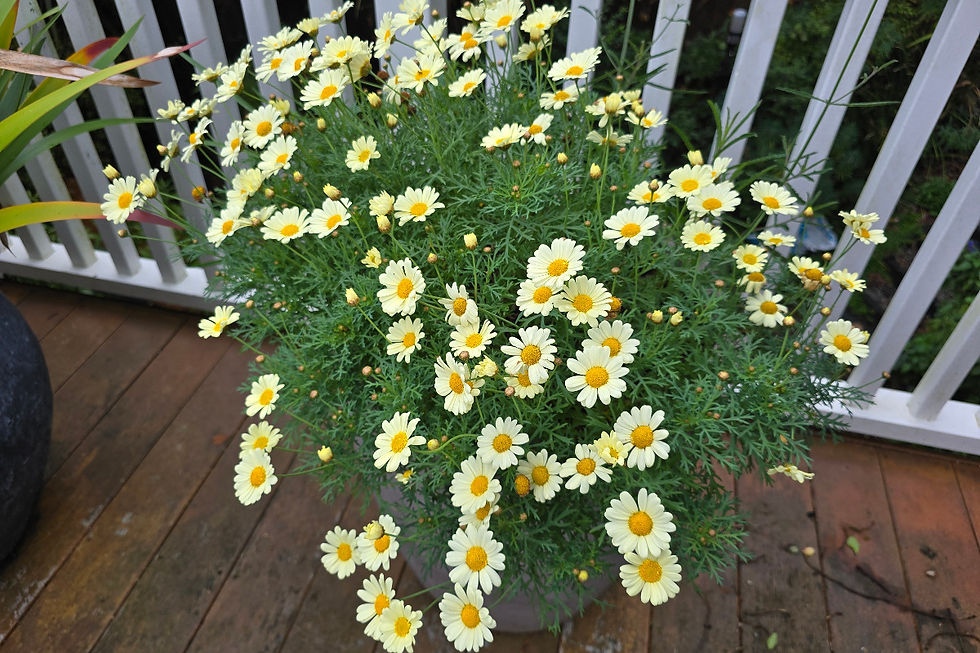
My federation daisies also re-bloomed this month, much to the bees' interest.
Some of the swan plants were flowering.
Cuphea hyssopifolia was also in bloom in May, and is still battling the weeds I have yet to pull in the garden.


Comments